Disclosure: NotaryStyle earns from qualifying purchases as an Amazon Associate. We independently research and recommend products. When you click links to buy products, we may earn a commission at no additional cost to you. Our recommendations are not influenced by commission — we only feature products we believe provide value to notaries.
This article is for informational purposes only and does not constitute legal advice. Notary laws vary significantly by state. Always consult your state's notary regulating authority and a qualified attorney for legal guidance regarding immigration matters.
If you are looking for a way to stand out in the increasingly crowded notary public market, specializing as an immigration notary might be the perfect career move. With millions of people navigating the complex U.S. immigration system, the demand for reliable, knowledgeable notaries who understand the nuances of immigration paperwork is higher than ever in 2026.
However, becoming a successful immigration document notary requires more than just a stamp and a journal. It requires a deep understanding of your legal boundaries, a keen eye for detail, and a commitment to serving a vulnerable population with integrity.
Here is exactly how to build a profitable, ethical, and sustainable business specializing in immigration notarizations.
What Does an Immigration Notary Actually Do?
Before diving into the business strategy, it is critical to define what this specialty entails. In the United States, a notary public is a state-appointed official authorized to witness signatures, administer oaths, and verify identities. That is it.
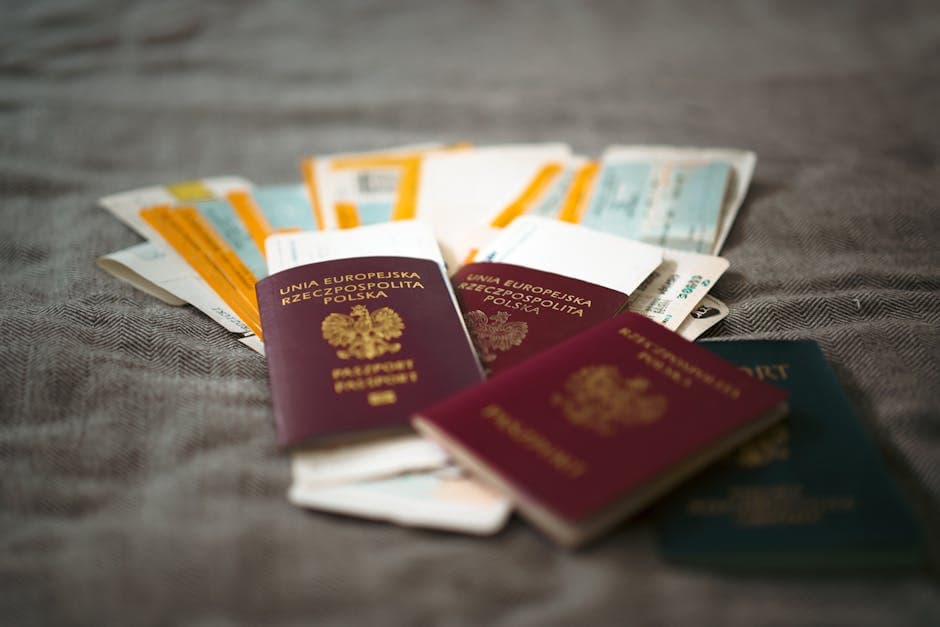
An immigration notary does exactly those things, but applies them specifically to documents commonly used in immigration proceedings. You might notarize translations of birth certificates, affidavits of support, powers of attorney, or letters of consent for minors traveling abroad.
The biggest misconception—and the most dangerous trap for a new notary—is confusing the U.S. notary public with a Latin American "Notario Publico." In many Latin American countries, a Notario Publico is a highly educated legal professional with the authority to draft documents and give legal advice. In the U.S., you have zero legal authority to give advice on visas, green cards, or citizenship. Crossing that line constitutes the Unauthorized Practice of Law (UPL), which can result in criminal charges, the loss of your commission, and devastating consequences for the immigrant who relied on your bad advice.
The Income Potential in 2026
Let us talk about the financial reality. Specializing in immigration notarizations can be highly lucrative, primarily because these clients often need mobile notary services. Many immigrants work long hours, lack transportation, or simply prefer the convenience of a notary who comes to their home or workplace.
While state laws dictate the maximum fee you can charge for a notarial act (typically ranging from $2 to $15 per signature), you are generally free to charge whatever the market will bear for mobile travel fees. In 2026, mobile notaries specializing in immigration typically charge a base travel fee of $75 to $150, plus the standard per-signature fee.
If you secure partnerships with immigration attorneys or community organizations, you can realistically perform 10 to 15 immigration appointments per week. At an average of $100 per mobile appointment, that translates to an extra $1,000 to $1,500 per week. Full-time specialists who have built strong reputations over several years are reporting gross annual revenues of $75,000 to $100,000, though your actual take-home pay will depend on your marketing costs, mileage, and state regulations.
Step-by-Step Guide to Getting Started
1. Master Your State’s Immigration Notary Rules
Some states have specific rules regarding immigration documents. For example, a few states explicitly prohibit notaries from advertising themselves as "immigration notaries" or "notario publicos" to prevent consumer confusion. Check your state’s notary handbook or website for these specific advertising restrictions before you print a single business card.
2. Invest in the Right Tools
Immigration clients appreciate professionalism. You will need a reliable mobile notary kit that includes your state-required journal, a high-quality stamp, and acknowledgment and jurat pads. We highly recommend starting with a Professional Notary Supply Kit that includes a durable carrying case, as you will be taking these items on the road frequently. You will also want a secure digital scanner and a high-quality portable printer, as you will often need to print documents on the go that clients email to you.
3. Learn the Common Documents
You do not need to know immigration law, but you do need to recognize the documents you will encounter. Familiarize yourself with:
- Translations: You are not notarizing the accuracy of the translation; you are notarizing the signature of the translator on a Certificate of Translation.
- I-864 Affidavits of Support: Sponsors sign these under penalty of perjury, requiring a jurat.
- Letters of Consent: Often used when one parent takes a child out of the country.
- Copies of Passports and Foreign IDs: Know your state’s rules on certifying copies, as many states do not allow notaries to certify copies of vital records or foreign documents.
4. Build Strategic Partnerships
This is where the real money is made. Do not just wait for clients to find you on Google. Reach out to local immigration attorneys. Attorneys are incredibly busy and hate wasting billable hours driving to clients to notarize a single affidavit. Offer to be their dedicated mobile notary. You can learn more about building these B2B relationships in our guide on how to get attorney clients as a notary.
Additionally, connect with certified court interpreters and professional translation agencies. They frequently need notaries to notarize their signed certification statements.
5. Market with Empathy and Clarity
Your marketing must walk a fine line. You need to attract immigrant clients without making promises you cannot keep. Your website, social media, and flyers should explicitly state what you do (witness signatures, administer oaths) and what you do not do (give legal advice, fill out USCIS forms).
Advertising in Spanish, Portuguese, or other languages common in your area is highly effective, but ensure your translations are perfectly accurate. A mistranslation in your advertising could be construed as a violation of state notary laws.
The Challenges You Need to Prepare For
While the income potential is exciting, this niche comes with unique hurdles that you must be prepared to navigate.
Incomplete Documents: Immigration forms like the I-864 are notoriously long. Clients often show up with forms that are missing pages or are only half-filled out. As a notary, you generally cannot notarize an incomplete document. You must be prepared to politely decline the notarization, explain why, and reschedule once the document is complete.
Identification Issues: Not all immigrants have state-issued driver's licenses. You must become intimately familiar with your state’s acceptable identification laws. Does your state accept Foreign Passports? Matricula Consular cards? ITIN letters? Know these rules cold before you accept an appointment, otherwise, you will waste a trip.
Emotional Situations: You are dealing with people who are often stressed, fearful of deportation, or desperately trying to reunite with their families. You will encounter tears and high anxiety. You must remain calm, professional, and empathetic, while strictly maintaining the boundaries of your role.
Safety Concerns: As a mobile notary, you will be traveling to unfamiliar neighborhoods. Always use a GPS tracking app that shares your location with a trusted contact, trust your gut instinct, and never enter a situation that feels unsafe.

Do You Need to Be Bilingual?
The short answer is no. The longer answer is that it makes your life significantly easier and your business much more profitable if you are.
If you only speak English, you can still absolutely succeed as an immigration document notary. However, you must be incredibly careful about the "direct communication" rule. In most states, if the signer cannot communicate directly with you in a language you both understand, you must use a qualified, disinterested third-party interpreter. You cannot rely on the signer's bilingual child or spouse to translate, as they have a beneficial interest in the document being notarized.
If you are not bilingual, consider partnering with a certified interpreter. You can split the fee, or you can hire them on an hourly basis to accompany you to appointments.
The Ethical Golden Rule
At the end of the day, specializing in immigration notarizations is an incredibly rewarding career. You are providing an essential service that helps people navigate one of the most important journeys of their lives. But your absolute highest priority must be compliance.
It can be incredibly tempting to help a confused client fill out a blank box on a form, or to tell them "Yes, that looks right to me" when they ask if their application is correct. Resist that temptation. The most successful immigration notaries in 2026 are successful precisely because they built a reputation for being strictly ethical. When attorneys know they can trust you not to cross the line into UPL, they will send you all of their business. Protect your commission, protect your client, and always stay within your lane.
I-9 verification is one of the most in-demand immigration-related services. Our I-9 Verification Pro course covers everything from document requirements to building corporate client relationships.
Frequently Asked Questions
Can I fill out immigration forms for my clients as an immigration notary?
No. Filling out immigration forms or advising a client on which forms to use is considered the Unauthorized Practice of Law (UPL) in every state. Your role is strictly limited to identifying the signer, ensuring they are signing willingly, and completing your notary journal and certificate.
How much can I legally charge for an immigration notarization?
Your fee depends entirely on your state's maximum allowable notary fees. In 2026, this ranges from $2 to $15 per signature. However, if you offer mobile services, you can typically charge an additional travel fee, which is generally unregulated by the state. Always check your specific state laws regarding travel fees to ensure compliance.
Do I need a special certification to become an immigration document notary?
No. There is no special "immigration notary" commission in the United States. You just need to hold a standard, active notary public commission in your state. However, taking continuing education courses on immigration documents and notary law is highly recommended to protect yourself and your clients.
Can I notarize a document that is written entirely in Spanish or another foreign language?
Generally, yes, as long as the notarial certificate itself is in English (or in a language you can read and understand, depending on your state). You do not need to be able to read the body of the foreign-language document. You only need to verify the identity of the signer, ensure they understand what they are signing, and complete the notarial certificate.
What happens if I accidentally give legal advice to an immigration client?
Giving legal advice as a non-attorney notary can result in severe penalties, including hefty fines, criminal charges for the Unauthorized Practice of Law, and the permanent revocation of your notary commission. It can also open you up to civil lawsuits if the client is deported or denied entry based on your advice. If a client asks a legal question, your only response should be: "I am not an attorney and cannot give legal advice. Please consult a licensed immigration lawyer."