Disclosure: NotaryStyle earns from qualifying purchases as an Amazon Associate. We independently research and recommend products. When you click links to buy products, we may earn a commission at no additional cost to you. Our recommendations are not influenced by commission — we only feature products we believe provide value to notaries.
This article is for informational purposes only and does not constitute legal, financial, or professional advice. Notary laws and fingerprinting regulations vary significantly by state. Always check with your state's Secretary of State or relevant regulatory agency and consult with a qualified professional before starting a business.
If you are looking for a way to stand out in the crowded notary market and significantly boost your income, becoming a fingerprinting notary might be the perfect career move. As background checks become increasingly standard for employment, licensing, and volunteer work, the demand for reliable notary fingerprinting services continues to grow.
By combining your existing notary commission with fingerprinting capabilities, you position yourself as a one-stop shop for individuals who need identity verification and background check processing. Here is a realistic, step-by-step look at how to add this lucrative service to your notary business in 2026.
What is a Fingerprinting Notary?
A fingerprinting notary is a commissioned notary public who has also been authorized, trained, and equipped to capture fingerprints for official background checks. It is important to understand that taking fingerprints and notarizing a document are two entirely separate legal acts. When you provide a fingerprint notary service, you are typically capturing the biometric data to be sent to the FBI or a state agency, while separately notarizing any required identification documents the client brings with them.
There are generally two types of fingerprinting you can offer:
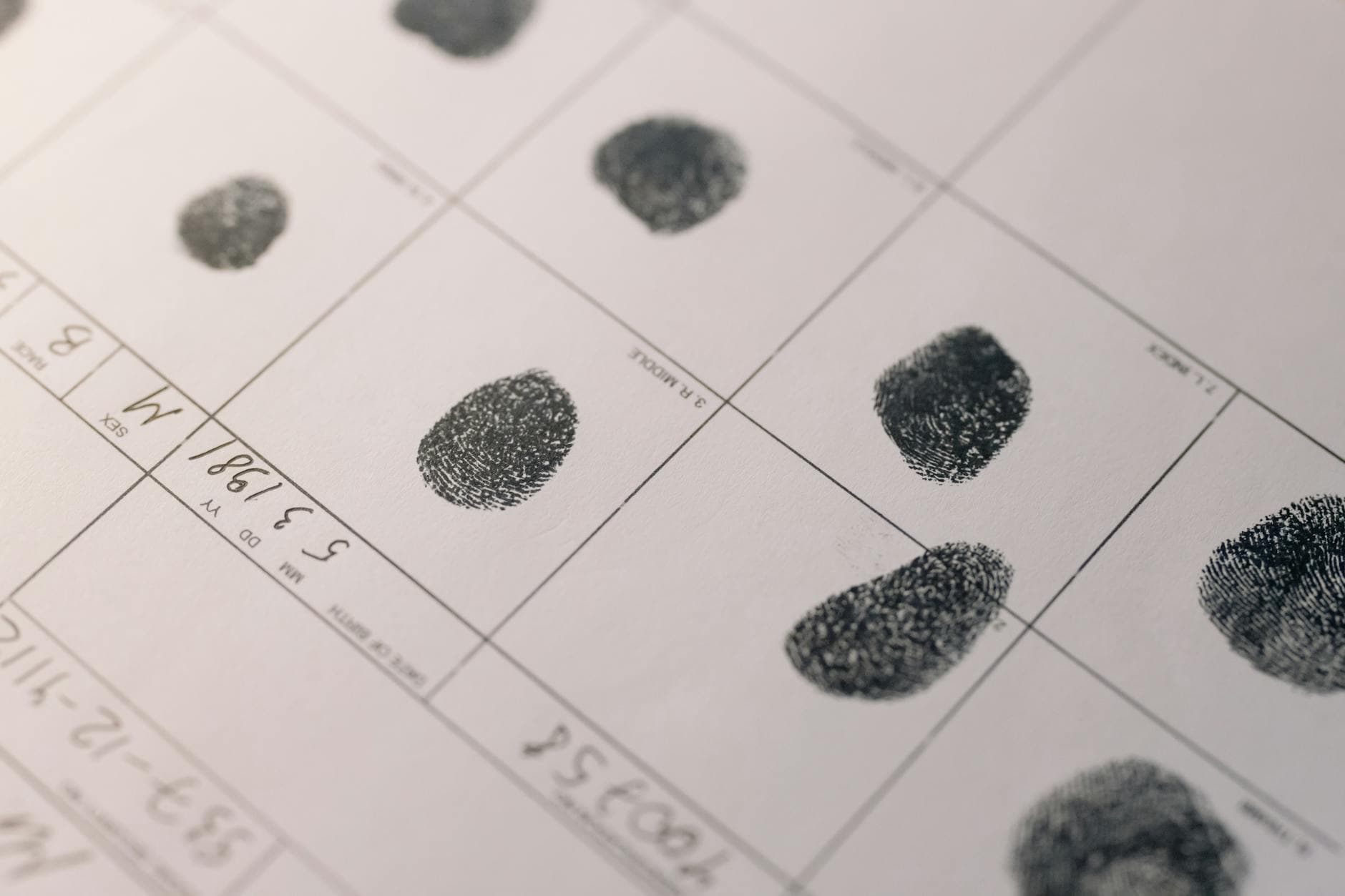
- Ink Fingerprinting: The traditional method where fingers are rolled in ink and pressed onto a standard FD-258 fingerprint card. These cards are usually mailed to an agency.
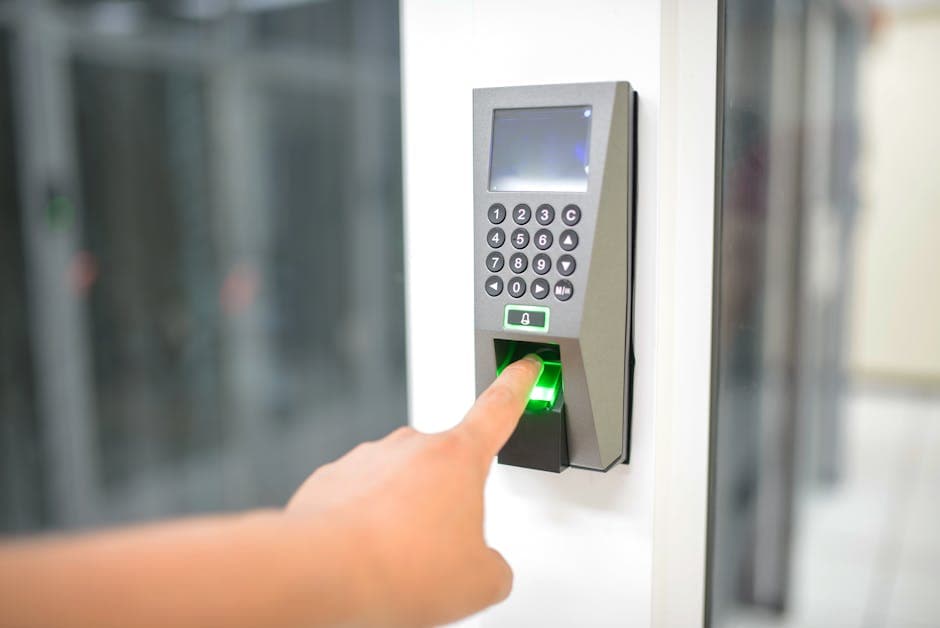
- Live Scan (Digital) Fingerprinting: An electronic method where fingers are rolled over a glass scanner. The digital prints are transmitted instantly to the appropriate state or federal database.
While ink fingerprinting is easier to break into, Live Scan is where the highest demand lies in 2026.
Why Add Fingerprinting to Your Notary Business?
Adding notary fingerprinting to your service lineup offers several distinct advantages. First, it creates a secondary revenue stream that does not rely on real estate markets or loan signing volumes. Second, it drives foot traffic. If someone comes to you for fingerprints, they will likely ask you to notarize their accompanying paperwork, netting you double the fee for a single appointment.
From a business perspective, the numbers are highly appealing. Standard notarizations typically pay $10 to $25 per signature. Fingerprinting, on the other hand, generally commands $15 to $60 per person, depending on your state and whether you are doing ink or digital Live Scan.
If you process just four fingerprinting appointments a day at an average of $40 each, that is $160 a day. Operate five days a week, and you are looking at an additional $3,200 a month—or over $38,000 a year—from a service that takes about 10 to 15 minutes per customer.
Step-by-Step Guide to Becoming a Fingerprinting Notary
1. Meet Your Base Notary Requirements
Before you can become a fingerprinting notary, you must hold an active notary commission in your state. If you are not yet commissioned, you will need to complete your state's required education, pass the state exam, and submit your application. You can usually find your state-specific requirements through our state notary guides.
2. Understand Your State’s Fingerprinting Laws
This is the most critical step. Fingerprinting is heavily regulated. Some states allow anyone to take ink fingerprints, while others require specific certification to operate a Live Scan device.
Many states require you to become an "Approved Live Scan Vendor" through their Department of Justice or a similar state regulatory body. This process typically involves submitting a formal application, passing a rigorous background check yourself, and proving your physical location meets specific security and privacy standards. Check with your state's licensing board to understand the exact requirements in your area.
3. Get Certified as a Fingerprint Roller
Even if your state does not mandate a specific business license for Live Scan, you generally cannot just buy a scanner and start accepting clients. You will likely need to complete a fingerprint rolling certification course. These courses teach you how to properly capture prints to avoid "rejections"—which occur when the FBI or state agency cannot read the prints and requires the applicant to be re-fingerprinted. Courses are usually short, ranging from a few hours to a couple of days, and cost between $50 and $200.
4. Acquire the Right Equipment
Your equipment needs depend on whether you choose ink or digital fingerprinting.
For Ink Fingerprinting: You will need high-quality fingerprinting ink, a Fingerprint Ink Pad, a fingerprint roller, and a steady supply of FD-258 Fingerprint Cards. You can usually get started with ink for under $100.
For Live Scan Fingerprinting: This requires a significant upfront investment. You cannot use just any fingerprint scanner; it must be an FBI-certified device (such as those made by Crossmatch, Dermalog, or HID Global). Prices for these machines range from $2,000 to $5,000 brand new. However, many vendors offer refurbished models or monthly leasing options starting around $100 to $150 a month. You will also need a secure computer, a dedicated internet connection, and software provided by your state's fingerprinting portal.
5. Secure Your Business Infrastructure
Because you are handling sensitive Personal Identifying Information (PII) and biometric data, security is paramount. You will need a secure, private office space where clients can sit comfortably without being overheard or observed. A home office can work, but check your state's rules—some states require Live Scan vendors to operate in a commercial storefront with specific security measures like deadbolts and window blinds.
You should also invest in Notary Errors and Omissions Insurance. While this generally covers your notarial acts, you may want to look into a general liability policy or a cyber liability policy to protect yourself in the unlikely event of a data breach involving fingerprint records.
6. Market Your Fingerprint Notary Service
Once you are certified and equipped, it is time to find clients. The most effective marketing strategy for a fingerprinting notary is Business-to-Business (B2B) outreach. Reach out to:
- Nursing schools and CNA programs: Students need background checks for clinical rotations.
- Real estate brokerages: Agents applying for or renewing their licenses typically need Live Scans.
- Trucking companies and driving schools: Drivers must pass DOT background checks.
- Security guard training facilities: Armed and unarmed guards require state and federal clearances.
- Adoption agencies and foster care organizations.
For B2C (Business-to-Consumer) marketing, claim and optimize your Google Business Profile. Use keywords like "fingerprinting near me," "Live Scan," and "fingerprint notary service" in your listing. Ensure your hours are highly visible, as people often need fingerprinting done outside of standard 9-to-5 work hours.
Realistic Challenges to Expect
While the income potential is exciting, honesty is crucial in any career discussion. Becoming a fingerprinting notary comes with hurdles.
The most common frustration is dealing with rejected prints. Even experienced rollers occasionally get a print rejected by the FBI due to dry skin, faint ridges, or excessive ink. When this happens, the client has to return, and depending on your business model, you may have to redo the work for free.
Additionally, the cost of entry for Live Scan can be a barrier. If you are leasing a $150/month machine and only getting a few clients a week, it will take time to see a profit. Furthermore, state regulations can change. The software you use to transmit prints may require paid updates, and state processing fees often change annually.
Finally, you are handling highly sensitive data. You must strictly adhere to state retention and destruction laws regarding fingerprint records. Storing digital files longer than legally permitted or failing to secure physical FD-258 cards can result in severe penalties.

Is It Worth It?
For the right notary, absolutely. If you are already operating a mobile notary business or a loan signing agency, adding a fingerprint notary service provides excellent diversification. It gives you a reason to connect with local businesses on a recurring basis and provides a steady stream of walk-in or scheduled income that is completely independent of the real estate market.
If you are willing to navigate the initial red tape, invest in the right equipment, and actively market your services to local institutions, notary fingerprinting can easily become the most profitable offering in your notary business.
Frequently Asked Questions
Do I have to be a notary public to take fingerprints? No, in most states, the act of fingerprinting and the act of notarizing are completely separate. However, combining the two services makes you incredibly valuable to clients who need both their prints taken and their identification documents notarized for the same background check application.
How long does it take to get certified to do Live Scan fingerprinting? The timeline varies by state. The actual training course usually takes just a few hours. However, the application process to become an official state vendor—which includes your own background check and site inspection—can take anywhere from two weeks to a couple of months.
Can I do mobile fingerprinting? Yes, but with limitations. Mobile ink fingerprinting is generally easy to do on the go. Mobile Live Scan is much more difficult because the electronic machines require a stable power source and a secure internet connection to transmit the data to the state. Some states also prohibit mobile Live Scan and require the fingerprinting to take place at a fixed, approved address.
What happens if the FBI rejects a set of fingerprints I rolled? If a set of prints is rejected for quality reasons (often called a "bad read"), the applicant will be notified by the requesting agency that they must be fingerprinted again. Most fingerprinting notaries will redo the prints for free or at a heavily discounted rate as a matter of good customer service, provided the client returns within a reasonable timeframe.
How much should I charge for a fingerprint notary service? Pricing depends heavily on your location and whether you are doing ink or digital. For ink fingerprinting, notaries typically charge $15 to $25 per card, plus the standard notary fee if a document is being notarized. For Live Scan, you will generally charge a "rolling fee" of $15 to $40, which is your profit, plus the state-mandated processing fees (which vary widely from $15 to $70+) that you pass directly on to the government agency.