Disclosure: NotaryStyle earns from qualifying purchases as an Amazon Associate. We independently research and recommend products. When you click links to buy products, we may earn a commission at no additional cost to you. Our recommendations are not influenced by commission — we only feature products we believe provide value to notaries.
This article is for informational purposes only and does not constitute legal advice. Notary laws vary significantly by state. Always consult your state's notary handbook or a qualified attorney for specific legal questions regarding notarial acts.
What Is a Notary Acknowledgment?
If you have been commissioned as a notary public for any length of time, you already know that the notary acknowledgment is the bread and butter of your daily duties. It is the most frequently requested notarial act in the United States, serving as a vital fraud-prevention tool for real estate transactions, powers of attorney, vehicle titles, and countless other legal documents.
But what exactly is it?
Unlike a jurat, where the signer must swear an oath and sign the document in your physical presence, a notary acknowledgment simply verifies the identity of the signer and confirms that they signed the document willingly, without coercion. The signer may have signed the document hours, days, or even weeks before appearing before you. Your job is to ensure the person standing in front of you is who they claim to be, and that they are accepting responsibility for the signature already on the paper.
Completing an acknowledgment certificate accurately is absolutely critical. A single missing detail or incorrect date can lead to a rejected real estate closing, delayed court filings, or even liability for the notary. Here is exactly how to get it right every time.
Prerequisites Before You Begin
Before you even pick up your pen to fill out a notary certificate form, you must complete a few preliminary steps. Skipping these can invalidate the entire notarization.
First, you must physically be in the state where you are commissioned. Even if your state allows Remote Online Notarization (RON) as many do in 2026, your physical location at the time of the act dictates your jurisdiction.
Second, the signer must be physically present before you (unless you are performing a RON act, which follows different digital protocols). They must be alert, coherent, and able to communicate with you. If the signer appears confused, heavily medicated, or intoxicated, you should generally refuse the notarization.
Third, you must have no financial interest in the document. You cannot notarize your own signature, nor can you notarize documents for immediate family members in many states. Check your local statutes regarding familial restrictions.
Materials You Will Need
Gather your supplies before the signer sits down. Fumbling around for your stamp looks unprofessional and slows down the process. You will need:
- Your state-issued notary commission certificate or card (to verify your own authority if asked)
- A notary journal (if required by your state, which is highly recommended even if not mandated)
- An inked notary seal or stamp that complies with your state's exact specifications
- A black or blue ink pen (avoid fun colors; most recording offices require black or dark blue ink)
- The document requiring the notarization
Step-by-Step Guide to Completing the Certificate
Once you have verified the signer's identity using satisfactory evidence (such as a valid, unexpired government-issued ID or credible witnesses), you are ready to fill out the acknowledgment certificate. Follow these steps in order:
1. Locate or Attach the Certificate
Check if the document already has an acknowledgment certificate printed at the bottom or on the final page. If it does, ensure it contains all the required statutory language for your state. If the document lacks a certificate, or contains certificate wording from a different state, you will typically need to attach a loose certificate. Make sure to note the title of the document on the loose certificate so it cannot be fraudulently attached to another paper later.
2. Fill in the Venue
The venue is the geographic location where the notarization is taking place. It usually looks like: "State of _______" and "County of _______".
- Fill in the state where you are currently standing.
- Fill in the specific county where you are physically located.
- Important: This is not necessarily where the signer lives, where the document was drafted, or where the property is located. It is strictly where you are right now.
3. Enter the Date of the Notarization
Write the exact date that the signer is appearing before you. Never pre-date or post-date a notarization. The date on the certificate must match the date in your notary journal (if you keep one) and must be a date when your commission is actively valid. If your commission expires tomorrow, you cannot legally notarize a document dated for next week.
4. Identify the Signer
The certificate will usually contain a line that says something like, "personally appeared _____________, proved to me through satisfactory evidence of identification..." Write the exact name of the signer. This name should match the name on their identification document, as well as the name printed on the document itself. If the document says "Robert J. Smith" but his ID says "Bob Smith," you may need to ask him to update the document or rely on credible witnesses, depending on your state's rules.
5. Identify the Capacity (If Applicable)
Some acknowledgment certificates will ask for the "capacity" in which the signer is acting. You might see phrasing like, "who acknowledged that he/she executed the foregoing instrument as his/her _____________ act." Common capacities include "sole proprietor," "attorney-in-fact" (if signing under a power of attorney), "corporate officer," or "trustee." If there is a blank for this, ask the signer how they are signing. If the blank is there and left empty, it can cause title companies to reject the document. If the form does not ask for capacity, do not add it.
6. Add the Notarial Wording (If Handwriting)
If you are using a pre-printed form, the statutory wording is already there. But if you are writing out a certificate by hand—often necessary when using a loose certificate—you must write out the exact, state-mandated wording. Do not paraphrase. Look up your state's exact statutory short-form acknowledgment and write it word-for-word.
7. Sign Your Official Signature
Sign your name exactly as it appears on your notary commission. If your commission says "Jane Marie Doe," do not sign "Jane M. Doe" or "Jane Doe." Your signature is your primary identifier as a notary public. Sign in the designated space on the certificate.
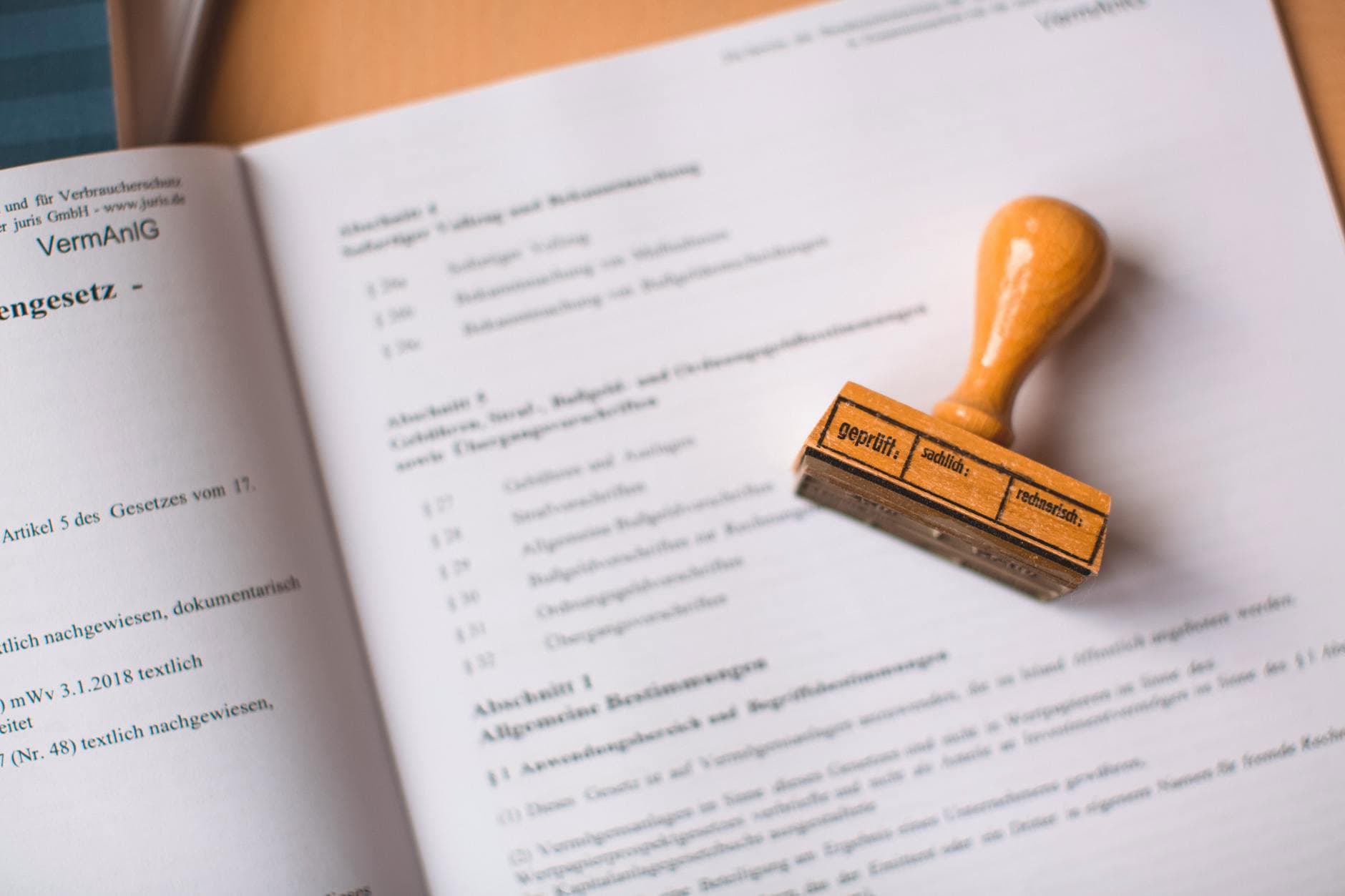
8. Affix Your Notary Seal
Place your notary stamp clearly on the document. Most states require the seal to be placed in close proximity to your signature. Ensure the stamp is completely legible. If your stamp is running out of ink, replace it immediately—a smudged seal is one of the most common reasons documents are rejected by county recorders. Be careful not to stamp over text or signatures, as this can render the document illegible in the eyes of a recording clerk.
9. Record the Act in Your Journal
Even if your state does not legally require a journal, completing a journal entry is your best defense against future liability. Log the date, time, type of act (acknowledgment), signer's name, type of identification used, the title of the document, and your signature. Have the signer sign your journal as well.

Common Mistakes to Avoid
Even experienced notaries can fall into bad habits. Being aware of these common pitfalls will keep your notarizations airtight.
Leaving blanks on the certificate: Never leave the county, date, or signer's name blank. If you make a mistake, do not just white it out. Depending on your state, you should draw a single line through the error, write the correct information nearby, and initial the change. Alternatively, you may need to start over with a fresh certificate.
Using the wrong venue: As mentioned, the venue is where you are, not where the document originated. If you live near a state border and frequently travel, double-check your venue before stamping.
Certifying to the truth of the document: An acknowledgment does not mean the statements inside the document are true. It only means the signer is who they say they are and they signed it. Never make statements implying you verified the factual accuracy of the document's contents.
Notarizing an incomplete document: You should generally refuse to notarize a document if it contains obvious blank spaces meant for vital information (like the sale price on a deed). Blank spaces invite fraud. Point the blanks out to the signer and ask them to fill them in or draw a line through them before you proceed.
Troubleshooting and Problem Solving
What if the pre-printed certificate is from another state?
If a document arrives with a notary certificate form from Florida, but you are commissioned in Texas and the signer is in Texas, you generally cannot use the Florida form. You must cross out the Florida venue, correct it to Texas, or more preferably, attach a loose Texas acknowledgment certificate. Always follow your specific state's guidelines on how to handle out-of-state certificates.
What if the signer's name changed but their ID hasn't?
This happens frequently with recently married or divorced individuals. If the document says "Sarah Johnson" but her driver's license says "Sarah Smith," you generally cannot proceed just based on the ID. The signer will usually need to bring a marriage certificate or divorce decree to serve as satisfactory evidence connecting the two names, or they will need to re-sign the document using their legal name as it appears on the ID.
What if there is no certificate at all, and I don't know which one to use?
This is a crucial boundary. As a notary public, you are not an attorney. You cannot "advise" a client on whether they need an acknowledgment, a jurat, or a signature witnessing. If the document is missing a certificate, you must ask the signer or the receiving agency which type of notarization is required. If they do not know, you may have to politely decline the notarization until they consult with the document drafter or an attorney. For more on this, check out our guide on when to use a loose notary certificate.
Frequently Asked Questions
Can I notarize a document that was signed last week? Yes, absolutely. Unlike a jurat, which requires the signer to sign in your presence, an acknowledgment simply requires the signer to appear before you, present valid identification, and acknowledge that they are the one who signed the document previously.
What is the difference between an acknowledgment and a jurat? An acknowledgment verifies the identity and willingness of the signer. A jurat requires the signer to take an actual oath or affirmation (swearing the contents of the document are true) and the signer must sign the document in your direct physical presence. The certificate wording for each is entirely different.
Can I use correction fluid (White-Out) on a notary certificate? Generally, no. Most state notary handbooks and recording offices strongly advise against using correction fluid on notarized documents because it looks suspicious and can be easily tampered with. The standard practice is to draw a single line through the error, write the correct information above or beside it, and initial the correction.
Do I need to put my expiration date on the certificate? It depends on your state. Some states require the notary's commission expiration date to be part of the official notary seal, while others require it to be written or typed on the certificate itself. Check your state's specific statutory requirements to ensure compliance.
What happens if I make a mistake after I've already stamped the document? If you catch the mistake immediately, you can usually take corrective action, such as drawing a line through the error and initialing it, provided your state allows this. However, if the document has already left your possession, you generally cannot alter it. Never try to scrape off a stamp or use heavy correction fluid over your seal, as damaging a notarial seal is illegal in many jurisdictions. You may need to contact the receiving agency to explain the error.