Disclosure: NotaryStyle earns from qualifying purchases as an Amazon Associate. We independently research and recommend products. When you click links to buy products, we may earn a commission at no additional cost to you. Our recommendations are not influenced by commission — we only feature products we believe provide value to notaries.
This article is for informational purposes only and does not constitute legal advice. Notary laws vary significantly by state. Always consult your state's notary commissioning authority and a qualified attorney for legal guidance specific to your situation.
If you have ever sat at your desk with a signer staring at you hopefully, asking, "Can you just help me write this up?", you have faced one of the most dangerous traps in the notary profession. It is incredibly tempting to help someone who seems lost. After all, notaries are trusted professionals, and the natural instinct is to be helpful.
However, the question of whether a notary can prepare legal documents is not a gray area in almost any U.S. jurisdiction. The short answer is a firm no. Crossing the line from notarizing a document to preparing or drafting one can result in severe penalties, including the loss of your commission, hefty fines, and even criminal charges for the unauthorized practice of law (UPL).
Understanding exactly why this rule exists, where the boundaries lie, and how to handle tricky situations will protect your commission and your livelihood.
Understanding the Unauthorized Practice of Law (UPL)
To understand why a notary cannot draft documents, you have to understand the legal concept of the unauthorized practice of law. In the United States, the practice of law is strictly regulated by state bar associations. The fundamental reasoning behind UPL statutes is consumer protection.
When an attorney drafts a legal document, they are doing much more than just typing words onto a page. They are analyzing a client's specific situation, applying relevant state and federal statutes, anticipating potential future disputes, and selecting the correct legal mechanism to achieve the client's goals.
If a notary prepares documents—whether it is a will, a power of attorney, a deed, or a contract—they are essentially acting as a lawyer without a license. The danger here is that a non-attorney lacks the legal training to know if the document actually protects the signer. If a notary drafts a deed that accidentally disinherits a child, or a power of attorney that fails to include necessary HIPAA authorizations, the signer's family could face devastating financial and legal consequences. Because of this massive potential for harm, states aggressively prosecute UPL to protect the public.

The "Simple Document" Trap
The most common rationalization notaries make is, "But this is just a simple document."
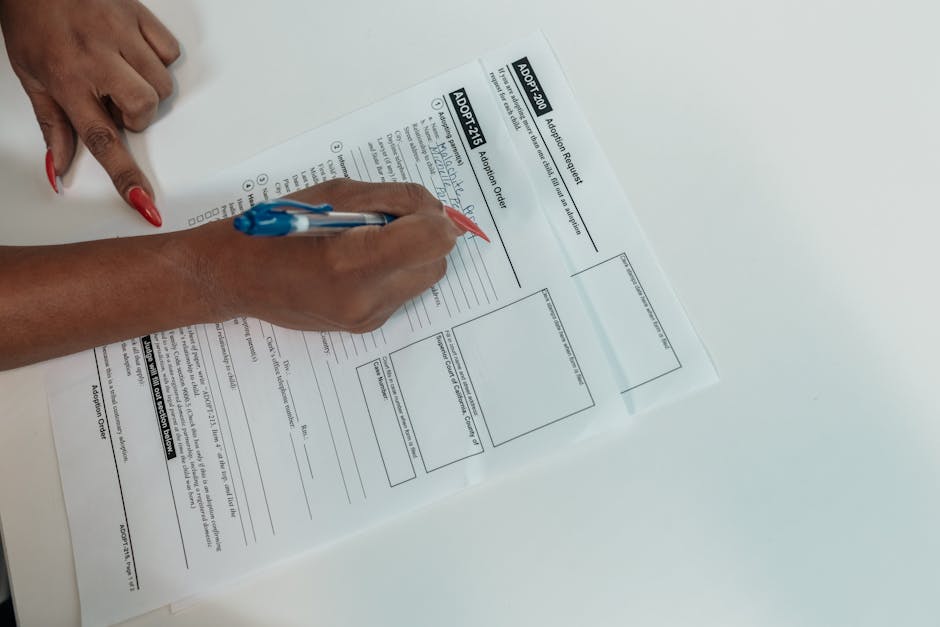
Imagine a client brings you a blank, standard-looking promissory note. They ask you to fill in the names, the loan amount ($5,000), and the interest rate. You might think filling in blanks doesn't count as drafting. However, legally, it does. By selecting what terms go into those blanks, you are tailoring a legal instrument to a specific transaction. You are making legal decisions about what terms are appropriate for that specific loan.
The same applies to affidavits. If a signer needs an affidavit of residence, they might ask you to write it for them. Even if you are just typing out "I, John Doe, live at 123 Main Street," you are determining what language is legally sufficient to satisfy the requesting agency. That is the unauthorized practice of law.
What a Notary Can Do Regarding Documents
While you cannot draft legal documents, your role as a notary is still highly valuable. Your authority lies in verifying identity, ensuring willingness, and administering oaths. Here is what you are generally allowed to do:
- Notarize pre-prepared documents: If a signer brings you a document they drafted themselves, downloaded online, or had an attorney prepare, you can notarize it—provided the signer is present, has proper ID, and is fully willing to sign.
- Provide the notarial certificate: If a document is missing a notarial block, in many states, you can attach a loose certificate or direct the signer on what type of notarization they need (e.g., an acknowledgment versus a jurat). You are not drafting the legal document; you are simply providing the notarial wrapper. For a deeper dive into this distinction, check out our guide on notarial acts and certificates.
- Certify copies: In some states, notaries are authorized to certify copies of non-public documents. You are not preparing the underlying document; you are simply attesting that the copy is a true reproduction of the original.
The Major Exception: Louisiana Civil Law Notaries
When discussing notary laws by state, it is crucial to mention the most significant exception to this rule: Louisiana.
Louisiana is the only state in the U.S. that operates under a Civil Law system rather than a Common Law system. In Louisiana, a notary public is a highly trained legal professional who has passed a rigorous state bar exam specifically for notaries. Louisiana notaries have the legal authority to draft wills, trusts, marriage contracts, deeds, and other legal instruments.
If you are commissioned in any of the other 49 states, you operate under Common Law rules, and the strict prohibition against drafting documents applies to you completely. Never look to Louisiana as a defense if you are caught drafting documents in Ohio, Texas, or California.
Practical Tips to Protect Your Commission
Staying within your legal boundaries requires vigilance. Here are actionable tips to ensure you never accidentally cross the line into UPL.
1. Keep Your Script Strictly Notarial
Your conversation with a signer should be limited to notarial procedures. Ask questions like, "Do you understand what you are signing?" or "Are you signing this document willingly?" You should never ask, "Are you sure this is the right type of deed for your property?" The moment you start evaluating the legal efficacy of the document, you are practicing law.
2. Never Fill in the Blanks of a Legal Document
If a signer hands you a contract with blank spaces for names, dates, or terms, do not fill them in—even if the signer dictates the words to you word-for-word. Explain that you can only notarize the document once it is completely filled out. They must write the information in themselves.
3. Do Not Choose the Document Type
Signers often do not know what they need. They might say, "I want to give my son my car if I die, what form do I need?" Recommending a specific legal document, such as a "Transfer-on-Death form" or a "Living Trust," constitutes giving legal advice. Your response should always be: "I cannot advise you on what type of document you need. You may want to consult with an attorney or the DMV to find out what form is required for your specific situation."
4. Keep a Detailed Notary Journal
Your best defense against accusations of UPL or improper notarization is a meticulously maintained Notary Journal. If someone ever claims you drafted a document for them, your journal entry showing the signer presented a fully completed document for notarization is your primary evidence. Record exactly what the signer handed you, and never leave blank spaces in your journal.
5. Carry Errors and Omissions Insurance
Even if you follow all the rules, a disgruntled signer might still file a frivolous lawsuit against you, claiming you overstepped your bounds. Notary Errors and Omissions Insurance is not legally required in most states, but it is a practical necessity in 2026. It covers your legal defense costs if you are falsely accused of wrongdoing, including allegations related to document preparation.
What to Say When Pushed: Scripts for Notaries
Enforcing boundaries can be uncomfortable. Here are professional, authoritative scripts you can use when a client pressures you to prepare documents.
When asked to draft a document: "I appreciate you coming to me, but as a notary public, my state commission strictly prohibits me from drafting, preparing, or selecting legal documents. Doing so is considered the unauthorized practice of law. However, I would be happy to notarize it for you once you have the document completed."
When asked to fill in blanks: "I notice there are some blank spaces on this form. I am not legally permitted to fill in the blanks on your behalf, as that counts as preparing the document. If you'd like to step aside and fill those in yourself, I'll wait right here, and then we can proceed with the notarization."
When asked for legal advice about the document's contents: "I'm not an attorney, so I'm not allowed to explain what this document means or whether it protects your interests. I can only verify your identity and witness your signature. If you have questions about the legal implications of what you're signing, you should really consult a lawyer before we proceed."
The Bottom Line
The distinction between a notary and an attorney is clear. Attorneys are licensed to give legal advice, draft instruments, and represent clients. Notaries are commissioned by the state to serve as impartial witnesses, deter fraud, and administer oaths. Both roles are vital to the legal system, but they are entirely separate.
Trying to be "helpful" by preparing a document for a signer is one of the fastest ways to destroy your notary career. Stick to your notarial script, maintain detailed records, and always direct legal questions to qualified professionals. Your integrity—and your commission—depend on it.
Frequently Asked Questions
Can a notary prepare documents if the signer dictates exactly what to type?
No. Even if you are acting as a "typist" and the signer tells you exactly what to write, you are generally still considered to be preparing the document. Because you are formatting the information into a legal structure, many state courts view this as the unauthorized practice of law.
Is translating a document considered preparing it?
Translation and document preparation are two separate issues, but both can get you in trouble. If a document is in a foreign language, you generally cannot notarize it unless you are fluent enough to understand what you are notarizing. Furthermore, if you translate a legal document into English, some states consider that "drafting" a new legal instrument, which falls under UPL. It is best to require the signer to provide a pre-translated document by a certified translator.
Can I show a signer where to sign on a legal document?
Yes. Directing a signer to the signature line is a standard notarial duty and does not constitute drafting or legal advice. You are simply facilitating the mechanical process of the notarization.
What if the signer cannot write and asks me to fill out their power of attorney?
If a signer is physically unable to write, you can generally accommodate them by signing their name at their direction and in their presence (often accompanied by a subscribing witness, depending on your state's rules). However, you still cannot prepare or fill in the blanks of that power of attorney. Another disinterested party must prepare the document or fill in the blanks before you proceed.
Can a notary charge a fee for helping someone fill out a form?
Absolutely not. Charging a fee to help someone fill out a legal form is a massive red flag for state investigators. It demonstrates that you are operating as a document preparation service, which virtually guarantees a UPL investiga
Learn More: For the complete guide, visit our Notary Laws and Requirements: What Every Notary Must Know in 2026 page.
tion and the revocation of your notary commission.